
Introduction
Losing weight is a goal for many people, but it often becomes frustrating when diets fail to deliver lasting results. Many individuals focus only on eating less or exercising more, while overlooking one of the most important factors: nutrition for weight loss.
FOR MORE SOLUTIONS VISIT
Weight loss is not simply about cutting calories. The quality of the foods you eat plays a major role in how your body manages hunger, energy, metabolism, and fat storage. Poor nutrition can make weight loss more difficult by increasing cravings, reducing energy levels, and encouraging overeating.
The good news is that sustainable weight loss does not require extreme diets or eliminating your favorite foods. By understanding how nutrition affects your body and making smart food choices, you can achieve healthier results that are easier to maintain over time.
This guide explains the common causes of weight gain, practical nutrition strategies for weight loss, advanced techniques, prevention tips, and answers to frequently asked questions.
Main Causes of Weight Gain and Poor Weight Loss Results
1. Consuming Too Many Processed Foods
Processed foods are often high in calories, sugar, unhealthy fats, and sodium while being low in nutrients and fiber.
Examples include:
- Chips
- Candy
- Fast food
- Sugary drinks
- Packaged snacks
These foods can increase hunger and make it easier to consume excess calories.
2. Excess Sugar Intake
Added sugar is one of the biggest contributors to unwanted weight gain.
Sugary foods and beverages provide calories without making you feel full for long. This often leads to increased calorie consumption throughout the day.
3. Poor Portion Control
Even healthy foods can contribute to weight gain when eaten in excessive amounts.
Many people underestimate portion sizes, especially when eating out or consuming packaged foods.
4. Low Protein Intake
Protein helps regulate appetite and promotes feelings of fullness.
When meals lack protein, hunger often returns quickly, increasing the likelihood of snacking and overeating.
5. Emotional and Mindless Eating
Stress, boredom, sadness, and habits can influence eating patterns.
Many people eat even when they are not physically hungry, leading to unnecessary calorie intake and slower weight loss progress.
Step-by-Step Solutions
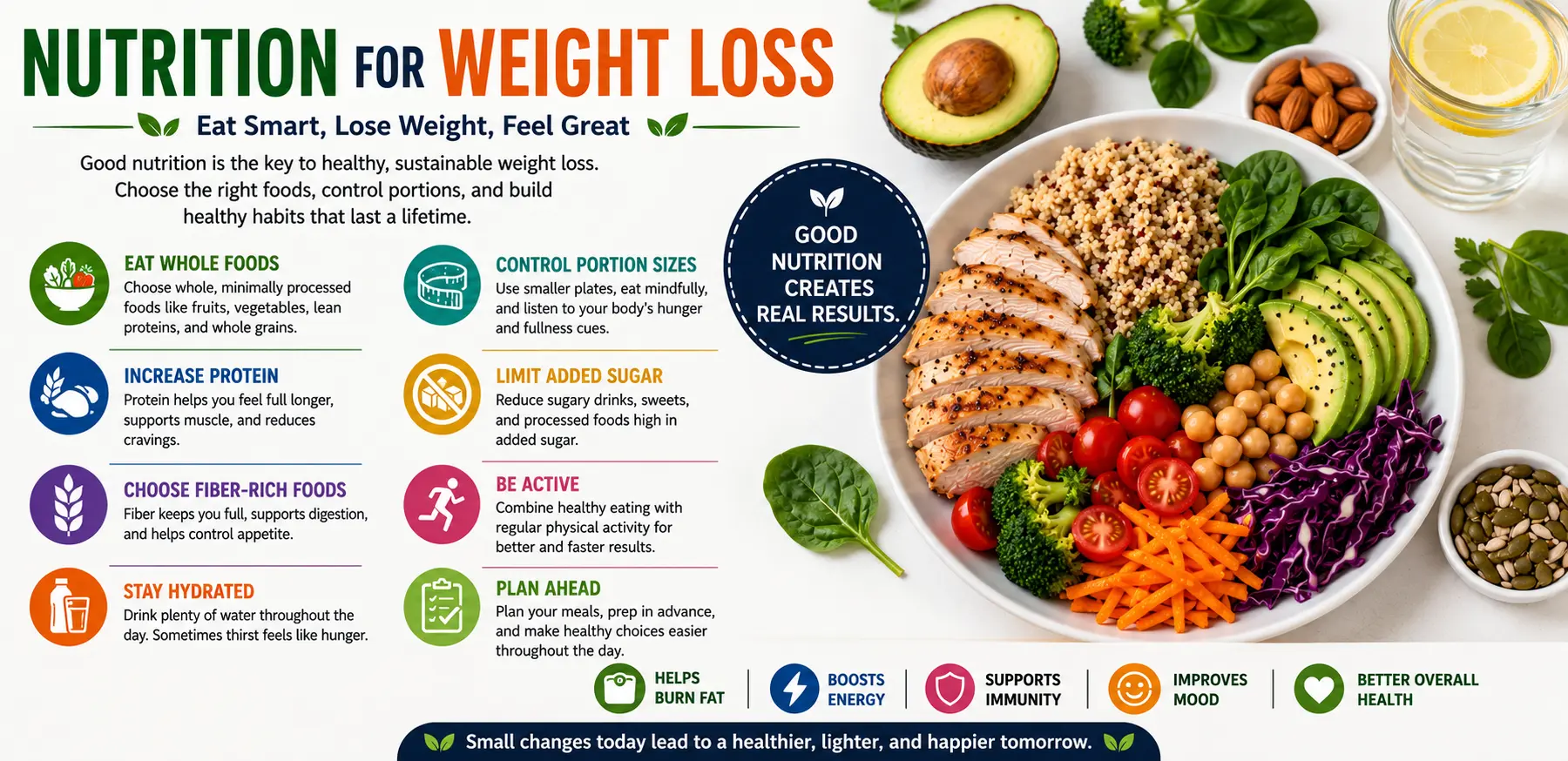
Step 1: Prioritize Whole Foods
Whole foods are generally more filling and nutrient-dense than highly processed alternatives.
Examples include:
- Fruits
- Vegetables
- Lean meats
- Fish
- Eggs
- Whole grains
- Beans
- Nuts
These foods provide essential nutrients while helping control hunger.
Step 2: Increase Protein Intake
Protein is one of the most effective nutrients for weight management.
Benefits include:
- Increased satiety
- Reduced cravings
- Better muscle preservation during weight loss
- Improved calorie control
Healthy protein sources include:
- Chicken breast
- Turkey
- Fish
- Eggs
- Greek yogurt
- Tofu
- Lentils
- Beans
Aim to include protein in every meal.
Step 3: Eat More Fiber-Rich Foods
Fiber slows digestion and promotes fullness.
Excellent fiber sources include:
- Oats
- Whole grains
- Fruits
- Vegetables
- Beans
- Lentils
- Chia seeds
A high-fiber diet can help reduce overall calorie intake naturally.
Step 4: Drink More Water
Hydration is often overlooked in weight loss plans.
Water can:
- Support digestion
- Reduce unnecessary snacking
- Improve energy levels
- Help distinguish thirst from hunger
Many people benefit from drinking water before meals.
Step 5: Control Portion Sizes
Portion awareness is crucial for successful weight loss.
Simple strategies include:
- Using smaller plates
- Measuring servings occasionally
- Eating slowly
- Avoiding second helpings unless truly hungry
These habits can significantly reduce calorie intake without feeling deprived.
Step 6: Reduce Liquid Calories
Many beverages contain large amounts of sugar and calories.
Common examples include:
- Soda
- Sweetened coffee drinks
- Energy drinks
- Fruit punches
Replacing these beverages with water, sparkling water, or unsweetened tea can support weight loss goals.
Step 7: Plan Meals in Advance
Meal planning reduces impulsive food choices.
A simple weekly plan can help you:
- Control portions
- Improve food quality
- Reduce fast-food consumption
- Stay consistent with nutrition goals
Preparation often leads to better long-term success.
Advanced Fixes
Focus on Nutrient Density
Nutrient-dense foods provide a large amount of nutrition relative to their calorie content.
Examples include:
- Leafy greens
- Berries
- Eggs
- Salmon
- Broccoli
- Greek yogurt
These foods help maximize nutrition while supporting calorie control.
Manage Hunger Through Meal Composition
A balanced meal should include:
- Protein
- Fiber
- Healthy fats
- Complex carbohydrates
This combination helps stabilize energy levels and reduce hunger between meals.
Improve Sleep Quality
Poor sleep can increase hunger hormones and decrease feelings of fullness.
Research consistently shows that inadequate sleep may contribute to weight gain and increased cravings.
Aim for 7–9 hours of quality sleep per night whenever possible.
Track Food Intake Temporarily
Food tracking can reveal eating habits that may otherwise go unnoticed.
You may discover:
- Hidden calories
- Frequent snacking
- Large portion sizes
- Excess sugar intake
Tracking does not need to be permanent but can provide valuable insights.
Learn to Identify Emotional Eating Triggers
Recognizing the situations that trigger overeating can help improve long-term weight management.
Ask yourself:
- Am I physically hungry?
- Am I eating because of stress?
- Am I bored or emotional?
Awareness often leads to better food decisions.
Tips to Prevent Weight Gain in the Future
Eat Consistently
Skipping meals can increase hunger and encourage overeating later in the day.
Regular meals help maintain steady energy levels and appetite control.
Keep Healthy Snacks Available
Nutritious snacks can prevent excessive hunger between meals.
Good options include:
- Fruit
- Greek yogurt
- Nuts
- Vegetables with hummus
- Hard-boiled eggs
Read Nutrition Labels
Labels help you identify:
- Added sugars
- Serving sizes
- Calories
- Protein content
Understanding labels improves food choices.
Limit Highly Processed Foods
You do not need to eliminate them completely.
Instead, focus on making whole foods the foundation of your diet while enjoying processed foods occasionally.
Stay Physically Active
While nutrition is essential for weight loss, physical activity supports overall health and helps maintain results.
Simple activities include:
- Walking
- Cycling
- Swimming
- Strength training
Consistency matters more than intensity.
Avoid Crash Diets
Rapid weight-loss diets often produce temporary results.
Sustainable nutrition habits are far more effective for maintaining long-term success.
FAQs
What is the best nutrition plan for weight loss?
The best plan is one that emphasizes whole foods, lean protein, fiber-rich foods, healthy fats, and portion control while creating a moderate calorie deficit that you can maintain long term.
How much protein should I eat for weight loss?
Protein needs vary based on age, body size, and activity level. Including a protein source with every meal can help improve satiety and support muscle maintenance during weight loss.
Can I lose weight without eliminating carbohydrates?
Yes. Healthy carbohydrates such as fruits, vegetables, oats, brown rice, and legumes can be part of a successful weight-loss plan. The focus should be on quality and portion control.
Are cheat meals necessary?
No. Instead of labeling foods as “good” or “bad,” aim for balance. Occasional treats can fit within a healthy eating pattern without disrupting progress.
How quickly should I expect to lose weight?
Healthy and sustainable weight loss is typically gradual. Slow, steady progress is often easier to maintain and more beneficial for long-term success.
Conclusion
Nutrition for weight loss is not about extreme restrictions or short-term diets. It is about making smarter food choices that help control hunger, improve energy levels, and support a healthy calorie balance. By focusing on whole foods, increasing protein and fiber intake, staying hydrated, and practicing portion control, you can create a sustainable approach to weight management.
The most successful weight-loss journeys are built on consistency rather than perfection. Small improvements repeated every day can lead to meaningful results over time. Focus on building healthy habits that you can maintain for years, and weight loss will become a natural outcome of a healthier lifestyle.
- Vitamins and Minerals Why Your Body Needs Them and How to Get Enough Every Day
- Meal Planning Ideas A Complete Guide to Saving Time Eating Healthier and Reducing Stress
- Nutrition for Fitness A Complete Guide to Fueling Your Body for Better Performance
- Clean Eating Habits A Practical Guide to Healthier Everyday Nutrition
- Superfoods Benefits How Nutrient-Rich Foods Can Improve Your Health
