
Introduction
Many people want to improve their health, increase their energy levels, and maintain a healthy weight, but they often feel overwhelmed by complicated diets and nutrition advice. One approach that has gained popularity over the years is clean eating. While the term can mean different things to different people, the basic idea is simple: focus on whole, minimally processed foods and make healthier choices consistently.
FOR MORE SOLUTIONS VISIT
Poor eating habits can contribute to fatigue, weight gain, digestive discomfort, and an increased risk of chronic health conditions. Highly processed foods often contain excessive amounts of sugar, unhealthy fats, sodium, and artificial ingredients that may reduce the overall quality of your diet.
Developing clean eating habits can help you build a healthier relationship with food without following extreme restrictions. The goal is not perfection but making better choices more often. This guide explains the common obstacles to clean eating, practical solutions, advanced strategies, prevention tips, and answers to frequently asked questions.
Main Causes of Poor Eating Habits
1. Dependence on Processed Foods
Processed foods are convenient, affordable, and widely available. Many people rely on packaged meals, fast food, and sugary snacks because they save time.
However, these foods often contain ingredients that provide calories without delivering significant nutritional value.
2. Lack of Meal Planning
Without a meal plan, people often make food decisions based on convenience and cravings.
When healthy options are unavailable, less nutritious choices become more appealing.
3. Busy Schedules
Work, family responsibilities, and social commitments can leave little time for grocery shopping and meal preparation.
As a result, many individuals choose foods that are quick rather than nutritious.
4. Emotional Eating
Stress, boredom, anxiety, and other emotions can influence eating habits.
Many people use food as a source of comfort, leading to overeating or frequent consumption of unhealthy foods.
5. Nutrition Confusion
Conflicting nutrition advice can make healthy eating seem complicated.
Some diets encourage eliminating entire food groups, while others promote unrealistic expectations that are difficult to maintain.
Step-by-Step Solutions
Step 1: Focus on Whole Foods
The foundation of clean eating habits is choosing foods that are close to their natural form.
Examples include:
- Fresh fruits
- Vegetables
- Whole grains
- Beans
- Lentils
- Nuts and seeds
- Fish
- Eggs
- Lean meats
These foods provide essential nutrients while minimizing unnecessary additives.
Step 2: Read Ingredient Labels
One simple way to improve food choices is to examine ingredient lists.
When shopping, look for products with:
- Short ingredient lists
- Recognizable ingredients
- Minimal added sugars
- Limited artificial additives
Reading labels helps you make more informed decisions.
Step 3: Increase Fruit and Vegetable Intake
Fruits and vegetables are rich in vitamins, minerals, antioxidants, and fiber.
Simple ways to increase consumption include:
- Adding fruit to breakfast
- Including vegetables at lunch and dinner
- Choosing fruit as a snack
- Adding vegetables to soups and pasta dishes
Aim to fill at least half your plate with fruits and vegetables whenever possible.
Step 4: Choose Whole Grains
Whole grains provide more nutrients and fiber than refined grains.
Healthy options include:
- Oats
- Brown rice
- Quinoa
- Whole wheat bread
- Barley
These foods help support digestion and provide steady energy.
Step 5: Stay Hydrated
Proper hydration is an important part of clean eating.
Water supports:
- Digestion
- Circulation
- Temperature regulation
- Nutrient transport
Replace sugary beverages with water more often to reduce unnecessary calorie intake.
Step 6: Prepare Meals at Home
Home cooking gives you greater control over ingredients and portion sizes.
Benefits include:
- Fewer hidden sugars
- Reduced sodium intake
- Better ingredient quality
- More balanced meals
Even preparing a few meals each week can improve diet quality.
Step 7: Practice Mindful Eating
Mindful eating involves paying attention to your hunger, fullness, and eating experience.
Helpful habits include:
- Eating slowly
- Avoiding distractions
- Chewing thoroughly
- Recognizing hunger signals
Mindful eating can improve satisfaction and reduce overeating.
Advanced Fixes
Prioritize Nutrient Density
Nutrient-dense foods provide large amounts of nutrition relative to their calorie content.
Examples include:
- Spinach
- Kale
- Berries
- Salmon
- Eggs
- Sweet potatoes
These foods help maximize nutritional value while supporting overall health.
Reduce Added Sugar Gradually
Eliminating sugar suddenly can feel difficult for many people.
Instead, reduce sugar intake step by step by:
- Choosing unsweetened beverages
- Replacing desserts with fruit occasionally
- Reading nutrition labels
- Limiting sugary snacks
Small changes often produce sustainable results.
Improve Meal Timing
While food quality is the most important factor, meal timing can support healthier eating patterns.
Helpful practices include:
- Eating regular meals
- Avoiding long periods without food
- Having balanced meals throughout the day
Consistent meal timing may help control hunger and cravings.
Create a Healthy Kitchen Environment
The foods available at home strongly influence eating habits.
Stock your kitchen with:
- Fresh produce
- Whole grains
- Lean proteins
- Healthy snacks
Making healthy foods convenient encourages better choices.
Learn Portion Awareness
Clean eating is not only about food quality but also about appropriate portions.
Helpful strategies include:
- Using smaller plates
- Measuring servings occasionally
- Listening to hunger cues
- Avoiding eating directly from large packages
Portion awareness supports balanced eating.
Tips to Prevent Unhealthy Eating Habits
Plan Meals for the Week
A simple meal plan reduces decision fatigue and improves consistency.
Planning meals in advance can also save money and reduce food waste.
Keep Healthy Snacks Available
Healthy snacks can help prevent excessive hunger and poor food choices.
Good options include:
- Fresh fruit
- Greek yogurt
- Nuts
- Hard-boiled eggs
- Vegetables with hummus
Limit Highly Processed Foods
You do not need to eliminate processed foods completely.
Instead, focus on making whole foods the majority of your diet while enjoying processed foods occasionally.
Shop with a Grocery List
A shopping list helps reduce impulse purchases and keeps you focused on nutritious foods.
It also improves meal planning and budgeting.
Get Enough Sleep
Sleep affects hunger-regulating hormones and food cravings.
Most adults benefit from 7–9 hours of quality sleep each night.
Be Consistent Rather Than Perfect
Clean eating is not about strict rules or perfection.
Occasional treats can fit into a healthy lifestyle. Long-term consistency matters more than individual meals.
FAQs
What are clean eating habits?
Clean eating habits focus on consuming whole, minimally processed foods while limiting foods that contain excessive amounts of added sugar, unhealthy fats, and artificial ingredients.
Is clean eating the same as dieting?
No. Clean eating is generally a long-term approach to improving food quality rather than a short-term diet designed for rapid weight loss.
Can clean eating help with weight management?
Yes. Many clean eating foods are nutrient-dense and filling, which may help support healthy weight management when combined with proper portion control and physical activity.
Do I need to avoid all processed foods?
No. Some processed foods, such as frozen vegetables, plain yogurt, and canned beans, can still be nutritious. The goal is to limit highly processed foods rather than eliminate all processed products.
How can beginners start clean eating?
Begin with small changes such as drinking more water, eating more fruits and vegetables, choosing whole grains, cooking more meals at home, and reducing sugary snacks.
Conclusion
Developing clean eating habits is one of the most effective ways to improve your overall nutrition and support long-term health. By focusing on whole foods, reducing highly processed products, staying hydrated, and practicing mindful eating, you can build a sustainable approach to healthy living.
Remember that clean eating is not about perfection. Small, consistent improvements often lead to the best results. Start with one or two healthy changes, build on your progress, and create eating habits that support your health for years to come.
- Vitamins and Minerals Why Your Body Needs Them and How to Get Enough Every Day
- Meal Planning Ideas A Complete Guide to Saving Time Eating Healthier and Reducing Stress
- Nutrition for Fitness A Complete Guide to Fueling Your Body for Better Performance
- Clean Eating Habits A Practical Guide to Healthier Everyday Nutrition
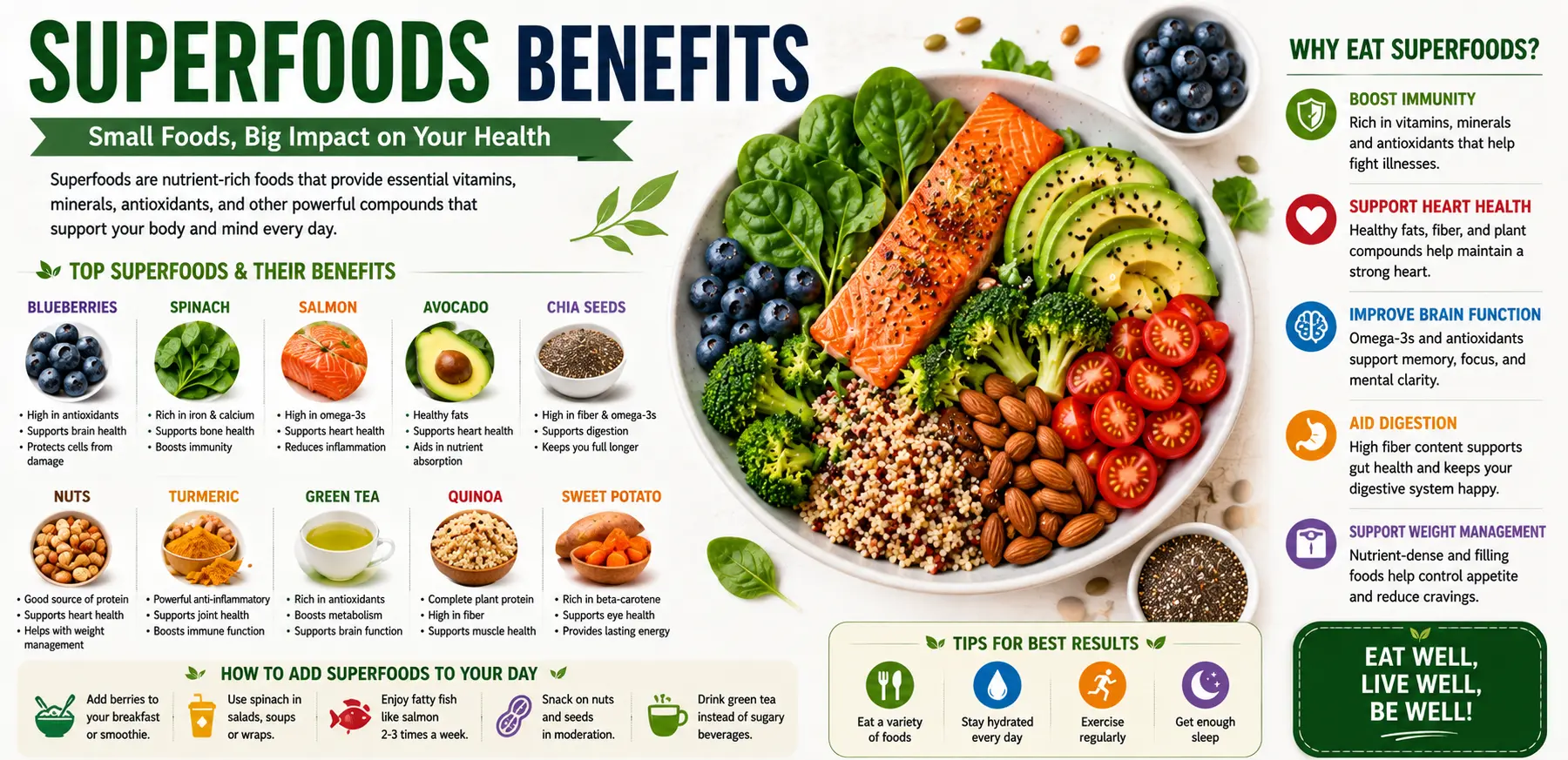
- Superfoods Benefits How Nutrient-Rich Foods Can Improve Your Health
