
Introduction
Many people want to eat healthier, but knowing where to start can feel confusing. With so much nutrition advice online, it’s easy to get overwhelmed by conflicting information. Some diets promise quick results, while others suggest cutting out entire food groups. As a result, many people struggle to build healthy eating habits that actually last.
FOR MORE SOLUTIONS VISIT
Good nutrition plays a major role in overall health. The foods you eat affect your energy levels, mood, immune system, weight, and long-term well-being. Poor eating habits can lead to fatigue, nutrient deficiencies, weight gain, and an increased risk of chronic health conditions.
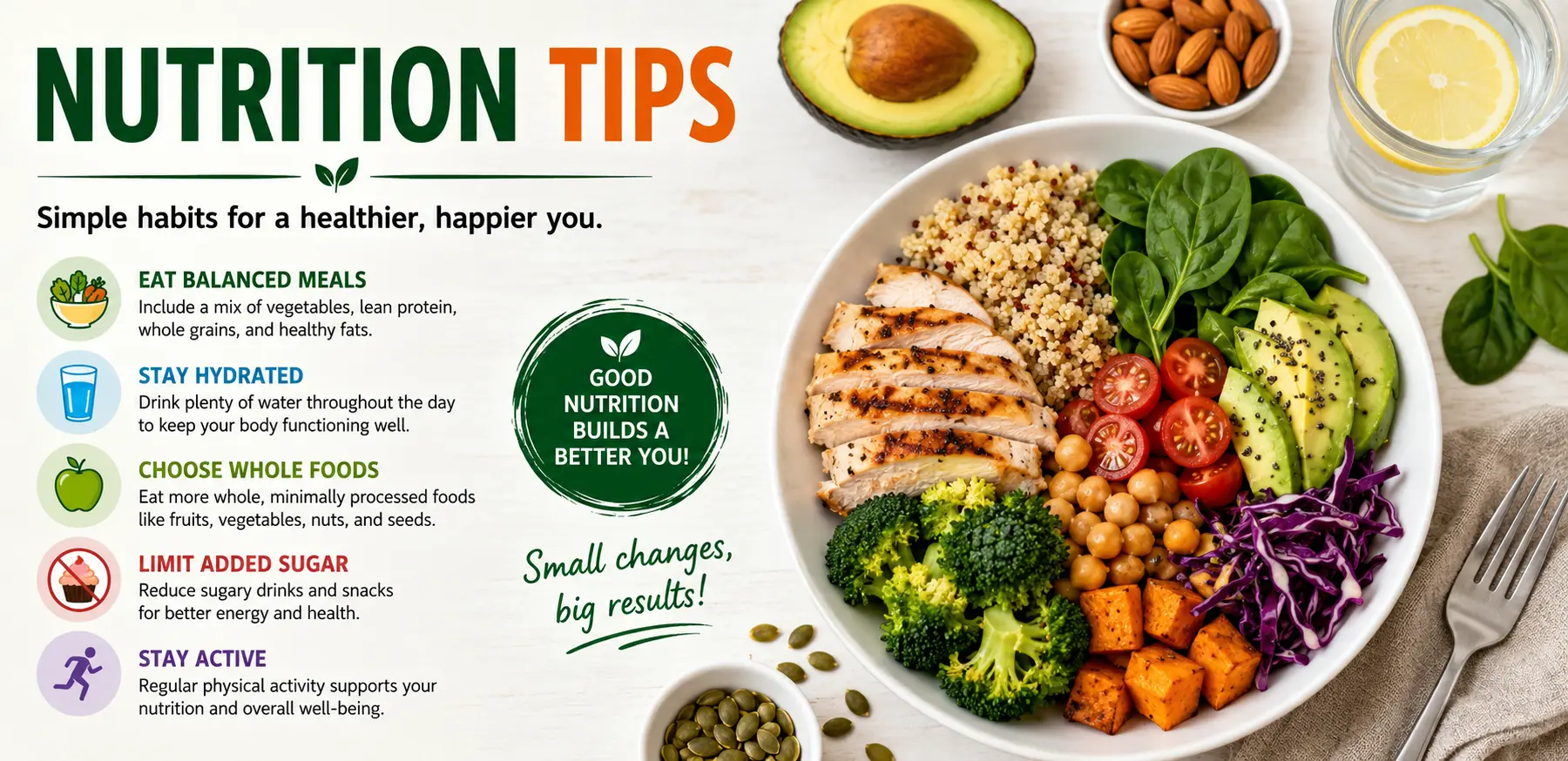
The good news is that healthy eating doesn’t have to be complicated. Small, consistent changes can make a significant difference over time. This guide covers practical nutrition tips that anyone can follow to improve their diet and support better health.
Main Causes of Poor Nutrition Habits
1. Busy Lifestyles
Many people have packed schedules filled with work, school, family responsibilities, and other commitments. When time is limited, fast food and processed snacks often become the easiest option.
Unfortunately, convenience foods are often high in calories, sugar, and unhealthy fats while lacking essential nutrients.
2. Lack of Nutrition Knowledge
Some people simply don’t know what a balanced diet looks like. Misleading health claims and diet trends can make healthy eating seem more complicated than it really is.
Without basic nutrition knowledge, it’s difficult to make informed food choices.
3. Emotional Eating
Stress, boredom, sadness, and anxiety can influence eating habits. Many people turn to comfort foods during difficult times because these foods provide temporary emotional relief.
Over time, emotional eating can lead to unhealthy dietary patterns.
4. Easy Access to Processed Foods
Processed foods are widely available, affordable, and heavily marketed. They are designed to be convenient and appealing, making it easy to consume them regularly.
However, frequent consumption can reduce the intake of nutrient-rich foods such as fruits, vegetables, and whole grains.
5. Skipping Meals
Skipping meals often leads to excessive hunger later in the day. This can result in overeating or making less healthy food choices.
Regular meals help maintain stable energy levels and support better nutrition throughout the day.
Step-by-Step Solutions
Step 1: Build Balanced Meals
A balanced meal contains a mix of nutrients that your body needs to function properly.
Try using this simple plate method:
- Half the plate: vegetables and fruits
- One-quarter: lean protein
- One-quarter: whole grains or healthy carbohydrates
Examples include:
- Grilled chicken with brown rice and vegetables
- Salmon with sweet potatoes and salad
- Lentil curry with whole-grain bread and vegetables
This approach helps ensure you’re getting a variety of nutrients.
Step 2: Eat More Whole Foods
Whole foods are foods that are minimally processed and close to their natural form.
Examples include:
- Fresh fruits
- Vegetables
- Whole grains
- Beans and legumes
- Nuts and seeds
- Lean meats
- Fish
- Eggs
These foods provide vitamins, minerals, fiber, and other nutrients that support good health.
Step 3: Stay Hydrated
Many people focus on food while overlooking hydration.
Water helps:
- Regulate body temperature
- Support digestion
- Transport nutrients
- Maintain energy levels
Aim to drink water consistently throughout the day. Carrying a reusable water bottle can make this habit easier.
Step 4: Control Portion Sizes
Even healthy foods can contribute to excess calorie intake when portions become too large.
Simple ways to manage portions include:
- Using smaller plates
- Eating slowly
- Paying attention to hunger signals
- Avoiding distractions while eating
Mindful eating can help prevent overeating and improve satisfaction after meals.
Step 5: Include Protein in Every Meal
Protein supports muscle maintenance, helps keep you full, and plays a role in many body functions.
Healthy protein sources include:
- Chicken
- Turkey
- Fish
- Eggs
- Greek yogurt
- Tofu
- Beans
- Lentils
Adding protein to meals and snacks can help reduce cravings and improve satiety.
Step 6: Reduce Added Sugar
Many packaged foods contain hidden sugars.
Common sources include:
- Soft drinks
- Candy
- Pastries
- Sweetened coffee drinks
- Flavored yogurts
Read food labels and choose lower-sugar alternatives when possible.
Step 7: Plan Meals Ahead
Meal planning reduces the likelihood of making unhealthy food choices when you’re busy.
Start by:
- Planning meals for the week.
- Creating a shopping list.
- Preparing ingredients in advance.
- Keeping healthy snacks available.
A little preparation can save time and support better nutrition.
Advanced Fixes
Focus on Fiber Intake
Fiber is often overlooked but plays a critical role in digestive health and appetite control.
High-fiber foods include:
- Oats
- Beans
- Lentils
- Fruits
- Vegetables
- Whole grains
Increasing fiber intake gradually can improve digestion and help you feel fuller for longer.
Learn to Read Nutrition Labels
Nutrition labels provide valuable information about:
- Calories
- Sugar content
- Sodium levels
- Protein
- Fiber
Pay attention to serving sizes, as they can significantly affect the nutritional value of a product.
Improve Meal Timing
While meal timing isn’t more important than overall diet quality, it can still help support energy levels.
Consider:
- Eating breakfast if it helps your energy and focus
- Spacing meals evenly throughout the day
- Avoiding heavy meals right before bedtime
Consistent eating patterns may improve hunger management.
Prioritize Nutrient-Dense Foods
Nutrient-dense foods provide a high amount of nutrients relative to their calorie content.
Examples include:
- Leafy greens
- Berries
- Eggs
- Fish
- Nuts
- Seeds
Choosing these foods regularly can improve overall nutrition without requiring strict diets.
Monitor Sodium Consumption
Many processed foods contain large amounts of sodium.
Excess sodium intake may contribute to high blood pressure in some individuals.
To reduce sodium:
- Cook more meals at home
- Use herbs and spices for flavor
- Limit highly processed foods
Small changes can make a meaningful difference over time.
Tips to Prevent Poor Nutrition Habits
Keep Healthy Snacks Available
Having nutritious snacks nearby can reduce the temptation to choose less healthy options.
Good choices include:
- Fruit
- Nuts
- Yogurt
- Vegetables with hummus
Shop with a Grocery List
A shopping list helps prevent impulse purchases and keeps you focused on nutritious foods.
Plan your meals before shopping for better results.
Avoid Extreme Diets
Very restrictive diets are often difficult to maintain.
Instead of chasing quick results, focus on sustainable habits that you can follow long term.
Cook More Meals at Home
Home cooking gives you greater control over ingredients and portion sizes.
Even preparing a few meals each week can improve diet quality.
Get Enough Sleep
Sleep and nutrition are closely connected.
Poor sleep can increase hunger and cravings for high-calorie foods. Most adults benefit from 7–9 hours of quality sleep per night.
Practice Consistency
Healthy eating is not about being perfect.
One unhealthy meal does not ruin your progress. Consistent healthy choices over time have the greatest impact on long-term health.
FAQs
What are the most important nutrition tips for beginners?
Start with the basics: eat more fruits and vegetables, drink enough water, include protein in meals, choose whole foods, and reduce added sugar. Small changes are often easier to maintain.
How much water should I drink daily?
Water needs vary based on age, activity level, and climate. A common guideline is around 8 cups (2 liters) per day, but some people may need more.
Are carbohydrates bad for health?
No. Carbohydrates are an important energy source. Focus on healthier options such as whole grains, fruits, vegetables, and legumes instead of highly processed carbohydrates.
How can I reduce unhealthy snacking?
Eat balanced meals, include protein and fiber, stay hydrated, and keep nutritious snacks available. These habits can help reduce cravings between meals.
Is it necessary to take supplements?
Not always. Many people can meet their nutrient needs through a balanced diet. However, certain individuals may benefit from supplements based on age, health conditions, or dietary restrictions. Consult a healthcare professional for personalized advice.
Conclusion
Following good nutrition tips doesn’t require a complicated diet or expensive foods. The foundation of healthy eating is surprisingly simple: choose whole foods more often, eat balanced meals, stay hydrated, and practice consistency.
By understanding the common causes of poor nutrition habits and applying practical solutions, you can improve your energy levels, support overall health, and build eating habits that last. Focus on steady progress rather than perfection. Small improvements made consistently can lead to meaningful results over time.
- Vitamins and Minerals Why Your Body Needs Them and How to Get Enough Every Day
- Meal Planning Ideas A Complete Guide to Saving Time Eating Healthier and Reducing Stress
- Nutrition for Fitness A Complete Guide to Fueling Your Body for Better Performance
- Clean Eating Habits A Practical Guide to Healthier Everyday Nutrition
- Superfoods Benefits How Nutrient-Rich Foods Can Improve Your Health
